
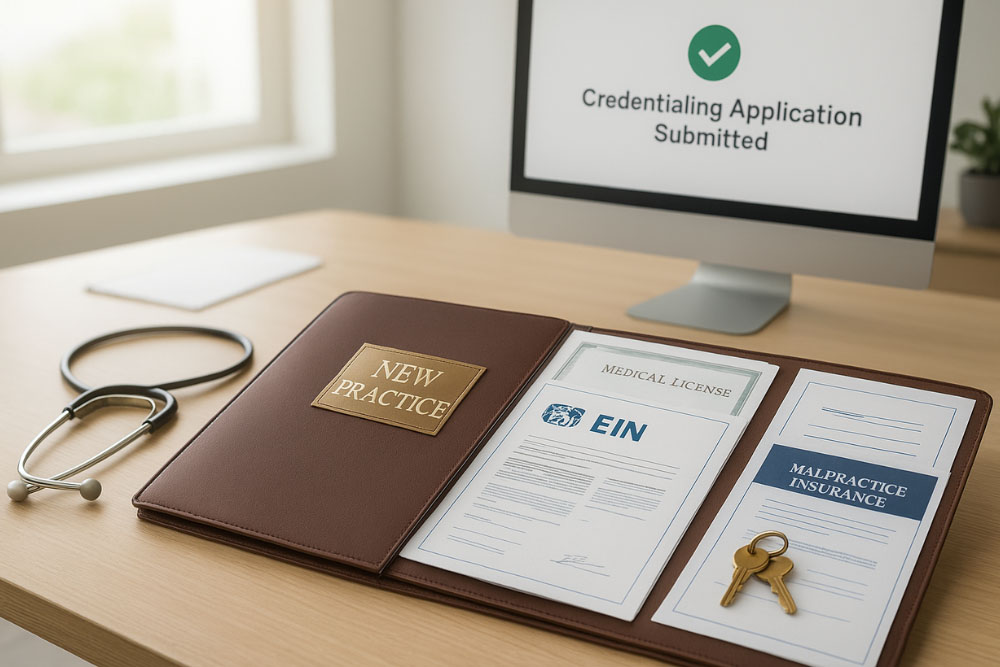
Launching your own practice represents an exciting professional milestone. However, the sheer volume of administrative setup can feel daunting. For practice managers, healthcare providers, and owners, securing the right foundational documents on day one is not optional—it’s non-negotiable for compliance, securing funding, and ensuring smooth, profitable operations. This comprehensive checklist expands on the ten most essential document categories. It provides the detailed roadmap you need to start a healthcare practice successfully and build a robust, compliant foundation.
1. The Strategic Business Blueprint: Your Practice’s Roadmap
Every successful healthcare provider or owner needs a detailed business plan. This document should function as your practice’s core operating manual and future vision. Therefore, it must clearly define key elements.
- Target Market and Demographics: Define your ideal patient base and the geographic area you serve. This supports marketing efforts.
- Financial Projections: Detail startup costs, operating budgets, and a crucial break-even analysis. Financial institutions rely on this for funding approvals.
- Marketing and Growth Strategies: Outline your patient acquisition plan, including digital presence and community outreach.
- Operational Workflow and Staffing: Specify daily operations, including patient flow, technology usage, and the organizational chart.
2. Professional Qualifications and Identity Documents
These documents grant you the legal right to practice and bill for services. Gathering these is the first step toward successful credentialing.
- State Medical License: Obtain this for every state where you provide care, even if using telehealth.
- DEA Registration: Secure this federal registration for prescribing controlled substances.
- Board Certification: Maintain and provide current certificates for all practicing healthcare providers.
- National Provider Identifier (NPI): Confirm your NPI number. This unique 10-digit identifier is foundational for all claims submissions.
- Malpractice Insurance: Secure an active certificate with adequate coverage limits before seeing patients.
3. Payer Credentialing Documentation: Unlocking Revenue Streams
Getting onto insurance panels can take months. Consequently, you must begin assembling your comprehensive credentialing packet immediately. Delayed or incomplete packets often result in revenue delays for new practices.
- Detailed Curriculum Vitae (CV): Ensure your CV is up-to-date and accounts for zero employment gaps.
- Professional References: Secure current contact information for at least three to five professional references.
- Diplomas and Transcripts: Keep verified copies of your medical school, residency, and fellowship diplomas ready.
- Facility/Billing Forms: Many payers require specific facility forms and W-9s for your billing entity.
4. Legal Entity Formation: Protecting Your Assets
Establishing a formal business structure is essential for legal compliance and asset protection. This step clearly separates your personal finances from the practice’s finances.
- Articles of Incorporation/Organization: File these documents with the relevant state authority to formalize your structure (e.g., PLLC, PC, S-Corp).
- Employer Identification Number (EIN): Secure this from the IRS. It is your practice’s unique tax ID number.
- Operating Agreement or Corporate Bylaws: This internal document governs how the practice operates and makes key decisions.
- State and Local Licenses: Obtain all required state business licenses and any necessary local permits.
5. Compliance and Regulatory Binder: Navigating Healthcare Laws
Healthcare owners and practice managers face rigorous regulatory scrutiny. A dedicated compliance binder ensures you meet all federal and state mandates.
- HIPAA Policies: Establish clear, written Privacy and Security Policies and Procedures to safeguard patient health information (PHI).
- OSHA Manual: Document your safety procedures, including bloodborne pathogens and emergency action plans.
- CLIA Certificate: If you perform any lab testing, even simple waived tests, a Clinical Laboratory Improvement Amendments (CLIA) certificate is mandatory.
- Staff HR Files: Maintain complete files for all employees, including I-9 forms, signed employment agreements, and copies of professional licenses.
6. Active Risk Management Insurance Policies
Risk management extends beyond malpractice coverage. Therefore, securing a suite of active policies protects the practice from various financial threats.
- General Liability Insurance: Covers risks associated with the physical office space, like patient or visitor injuries.
- Property and Equipment Insurance: Protects your valuable medical equipment, furniture, and facility structure.
- Workers’ Compensation: Mandatory in most states if you employ staff. This covers employee injuries on the job.
- Cyber Liability Insurance: Protects your practice from the costs and damages associated with a data breach, a growing necessity in modern healthcare.
7. Vendor and Service Agreements: Operational Partnerships
No practice operates in isolation. You rely on key vendors. Consequently, having clearly defined contracts minimizes operational disputes and financial surprises.
- Electronic Health Record (EHR) Contract: Solidify your agreement with your EHR vendor, focusing on data security, uptime guarantees, and support.
- Revenue Cycle Management (RCM) or Software Agreement: Secure the contract for your billing solution, whether outsourced or in-house software.
- Lab/Imaging Partnerships: Finalize agreements with external labs and imaging centers for patient services.
- Medical Supply Contracts: Establish reliable and cost-effective relationships for essential supplies.
8. Banking and Financial Foundation Documents
Establishing a robust financial framework is key for oversight and reporting. Financial documents are critical for managing daily cash flow and debt obligations.
- Business Bank Account: Open and document your commercial checking and savings accounts.
- Loan Agreements: Maintain copies of all current loan or line of credit documentation.
- Equipment Leases: File all signed agreements for leased medical or office equipment.
- Commercial Lease: Keep the office space lease and any associated tenant improvement agreements organized.
9. Tax Registration and Filing Documents
To maintain good standing with the government, clear tax documentation is required. This streamlines payroll and annual filings.
- State Tax ID Number: Register with your state for payroll and potentially sales tax purposes.
- EIN Confirmation: Keep the Form CP-575 from the IRS confirming your Employer Identification Number.
- Business Entity Election: File all necessary forms (e.g., Form 2553 for S-Corp status) to confirm your practice’s tax classification with the IRS.
10. Payer Policy Manuals and Fee Schedules
Success in healthcare billing means knowing the rules. Therefore, practice managers must organize and study the documentation from your key payers.
- Medicare and Medicaid Guidelines: Keep digital access to the most recent fee-for-service and managed care policy manuals.
- Commercial Payer Manuals: Organize policy information for your top commercial payers. This knowledge prevents common denials.
- Negotiated Fee Schedules: Store and reference your current negotiated reimbursement rates. This ensures you bill accurately and pursue full payment.
By proactively completing this comprehensive start a healthcare practice checklist, practice managers, providers, and owners create an organized, compliant, and financially ready environment. This disciplined approach shifts your focus from administrative chaos to providing exceptional patient care.
Focus on Patient Care, Not Paperwork
The administrative burden of launching a new medical practice can drain resources and delay your opening. However, a meticulously organized document structure is the best investment you can make in your practice’s long-term financial health and compliance. By securing these ten categories of documents, you lay a solid, legal foundation. This strategy allows you to transition your primary focus where it belongs: delivering outstanding care to your patients and building your success.